|
star21 ®
Пол:  Стаж: 11 лет Сообщений: 262214 Откуда: Екатеринбург

|
Various - Woodstock Director's Cut PART2
Жанр: Rock, Funk, Folk
Носитель: VHS Hi-Fi
Год выпуска: 1969 (1994)
Лейбл: Warner 13549
Страна-производитель: ГБ
Аудио кодек: ALAC
Тип рипа: image+.cue
Формат записи: 24/48
Формат раздачи: 24/48
Продолжительность: 01:22:42
Треклист:01-Crosby, Stills & Nash - Suite: Judy Blue Eyes
02-Ten Years After - I'm Going Home
03-Jefferson Airplane - Saturday Afternoon/Won't You Try
04-Jefferson Airplane - Uncle Sam Blues
05-John Sebastian - Younger Generation
06-Country Joe McDonald - I Feel Like I'm Fixing To Die Rag
07-Santana - Soul Sacrifice
08-Sly & The Family Stone - I Want To Take You Higher
09-Janis Joplin - Work me Lord
10-Jimi Hendrix - Voodoo Chile/The Star-Spangled Banner/Purple HazeИсточник оцифровки: автором раздачи
Код класса состояния VHS: Ex
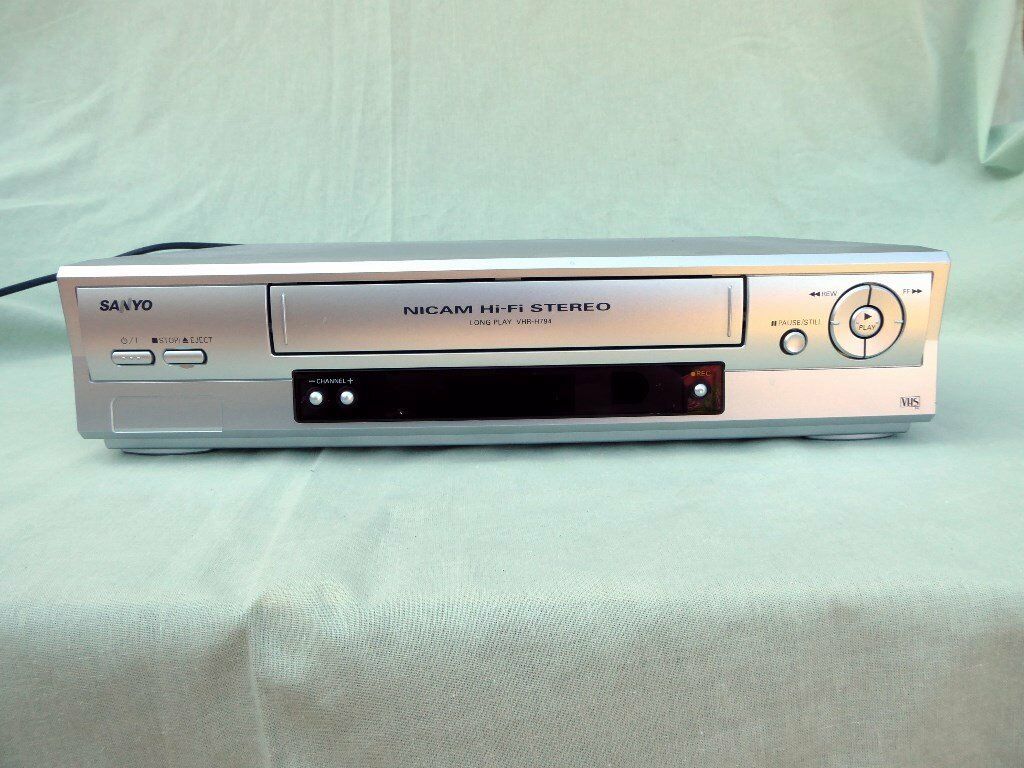
Устройство воспроизведения/Playback device: SANYO VHR-H792E
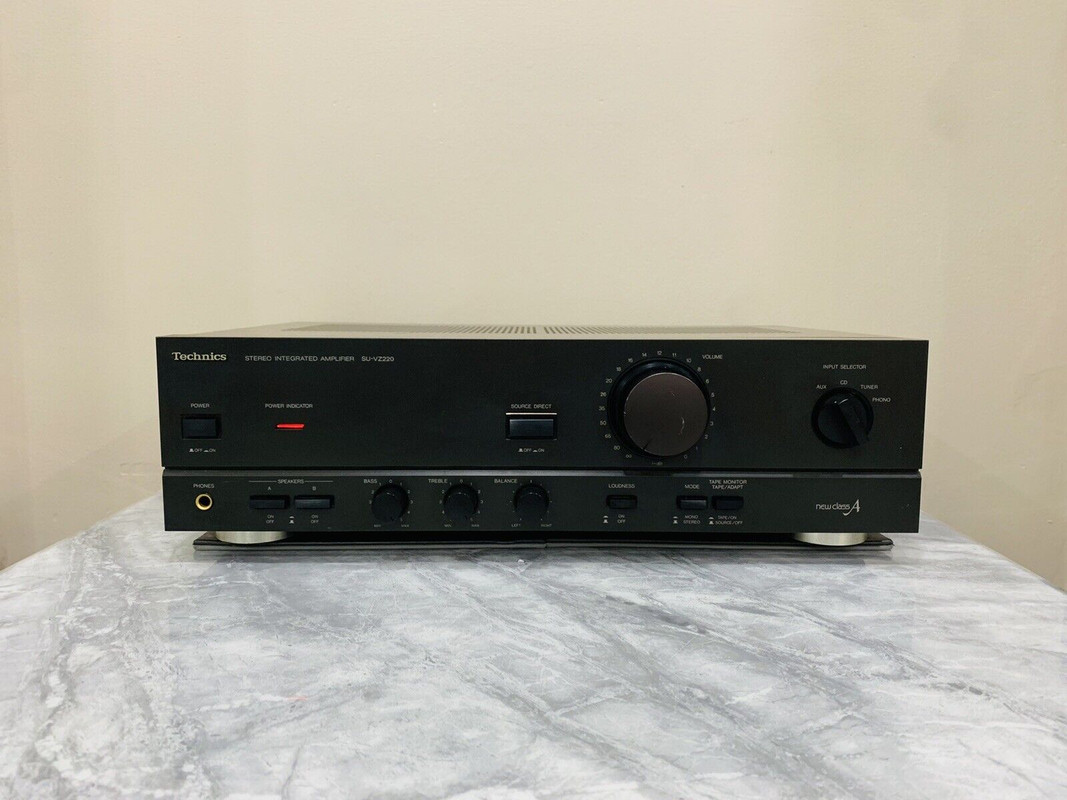
Предварительный усилитель/Amplifier: Technics SU-VZ220
АЦП: Lexicon Alpha
Программа-оцифровщик: Audacity [Ubuntu]
Обработка: Без
Содержание индексной карты (.CUE)
REM DATE 1994REM GENRE "Rock, Funk, Folk"REM COMMENT "VHS Hi-Fi"TITLE "Various - Woodstock Director's Cut PART2"PERFORMER "Various"REM COUNTRY "UK"REM CATALOG "Warner 13549"FILE "Various - Woodstock Director's Cut PART2.m4a" WAVEREM COOLNESS "Off The Charts; Ça dégage dur; Отлично"TRACK 01 AUDIOTITLE "Crosby, Stills & Nash - Suite: Judy Blue Eyes"INDEX 01 00:00:00TRACK 02 AUDIOTITLE "Ten Years After - I'm Going Home"INDEX 01 08:48:00TRACK 03 AUDIOTITLE "Jefferson Airplane - Saturday Afternoon/Won't You Try"INDEX 01 20:14:00TRACK 04 AUDIOTITLE "Jefferson Airplane - Uncle Sam Blues"INDEX 01 26:09:00TRACK 05 AUDIOTITLE "John Sebastian - Younger Generation"INDEX 01 30:33:00TRACK 06 AUDIOTITLE "Country Joe McDonald - I Feel Like I'm Fixing To Die Rag"INDEX 01 33:42:00TRACK 07 AUDIOTITLE "Santana - Soul Sacrifice"INDEX 01 37:01:00TRACK 08 AUDIOTITLE "Sly & The Family Stone - I Want To Take You Higher"INDEX 01 46:19:00TRACK 09 AUDIOTITLE "Janis Joplin - Work me Lord"INDEX 01 56:17:00TRACK 10 AUDIOTITLE "Jimi Hendrix - Voodoo Chile/The Star-Spangled Banner/Purple Haze"INDEX 01 62:52:00
Спектр/АЧХ/Уровень записи/ФотоСканы
VHS Hi-Fi
VHS Hi-Fi Wikipedia ENGAround 1984, JVC added Hi-Fi audio to VHS (model HR-D725U, in response to Betamax's introduction of Beta Hi-Fi.) Both VHS Hi-Fi and Betamax Hi-Fi delivered flat full-range frequency response (20 Hz to 20 kHz), excellent 70 dB signal-to-noise ratio (in consumer space, second only to the compact disc), dynamic range of 90 dB, and professional audio-grade channel separation (more than 70 dB). VHS Hi-Fi audio is achieved by using audio frequency modulation (AFM), modulating the two stereo channels (L, R) on two different frequency-modulated carriers and embedding the combined modulated audio signal pair into the video signal. To avoid crosstalk and interference from the primary video carrier, VHS's implementation of AFM relied on a form of magnetic recording called depth multiplexing. The modulated audio carrier pair was placed in the hitherto-unused frequency range between the luminance and the color carrier (below 1.6 MHz), and recorded first. Subsequently, the video head erases and re-records the video signal (combined luminance and color signal) over the same tape surface, but the video signal's higher center frequency results in a shallower magnetization of the tape, allowing both the video and residual AFM audio signal to coexist on tape. (PAL versions of Beta Hi-Fi use this same technique). During playback, VHS Hi-Fi recovers the depth-recorded AFM signal by subtracting the audio head's signal (which contains the AFM signal contaminated by a weak image of the video signal) from the video head's signal (which contains only the video signal), then demodulates the left and right audio channels from their respective frequency carriers. The result of the complex process was audio of high fidelity, which was uniformly solid across all tape-speeds (EP, LP or SP.) Since JVC had gone through the complexity of ensuring Hi-Fi's backward compatibility with non-Hi-Fi VCRs, virtually all studio home video releases produced after this time contained Hi-Fi audio tracks, in addition to the linear audio track. Under normal circumstances, all Hi-Fi VHS VCRs will record Hi-Fi and linear audio simultaneously to ensure compatibility with VCRs without Hi-Fi playback, though only early high-end Hi-Fi machines provided linear stereo compatibility.The sound quality of Hi-Fi VHS stereo is comparable to some extent to the quality of CD audio, particularly when recordings were made on high-end or professional VHS machines that have a manual audio recording level control. This high quality compared to other consumer audio recording formats such as compact cassette attracted the attention of amateur and hobbyist recording artists. Home recording enthusiasts occasionally recorded high quality stereo mixdowns and master recordings from multitrack audio tape onto consumer-level Hi-Fi VCRs. However, because the VHS Hi-Fi recording process is intertwined with the VCR's video-recording function, advanced editing functions such as audio-only or video-only dubbing are impossible. A short-lived alternative to the hifi feature for recording mixdowns of hobbyist audio-only projects was a PCM adaptor so that high-bandwidth digital video could use a grid of black-and-white dots on an analog video carrier to give pro-grade digital sounds though DAT tapes made this obsolete.Some VHS decks also had a "simulcast" switch, allowing users to record an external audio input along with off-air pictures. Some televised concerts offered a stereo simulcast soundtrack on FM radio and as such, events like Live Aid were recorded by thousands of people with a full stereo soundtrack despite the fact that stereo TV broadcasts were some years off (especially in regions that adopted NICAM). Other examples of this included network television shows such as Friday Night Videos and MTV for its first few years in existence. Likewise, some countries, most notably South Africa, provided alternate language audio tracks for TV programming through an FM radio simulcast.The considerable complexity and additional hardware limited VHS Hi-Fi to high-end decks for many years. While linear stereo all but disappeared from home VHS decks, it was not until the 1990s that Hi-Fi became a more common feature on VHS decks. Even then, most customers were unaware of its significance and merely enjoyed the better audio performance of the newer decks.
|
|
|